Does Your Granada Hills Home Need New Pipes or an Electrical Panel Before You Sell?
Does Your Granada Hills Home Need New Pipes or an Electrical Panel Before You Sell?
Quick answer: If your Granada Hills home was built in the 1950s, 60s, or 70s, there's a good chance it still has galvanized steel pipes, an aging electrical panel, or both. You don't always have to replace them before you sell, but insurance companies and buyers' inspectors are paying closer attention to both, and that can affect your timeline, your price, and your insurance options. Here's what to actually know before you decide.
Granada Hills has a lot of homes from that era. Most sit on around 8,400 square foot lots with classic 3-4 bedroom layouts. That's part of the charm. It's also why plumbing and electrical questions come up so often when homeowners here start thinking about a move.
Does my home actually have this problem?
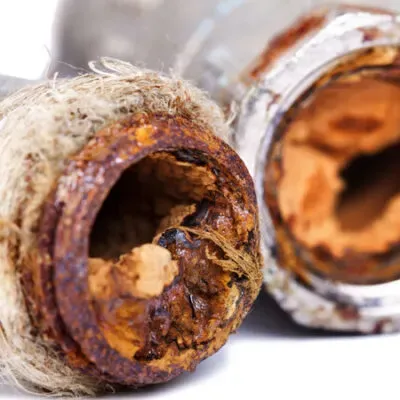
If your house was built before the 1960s, there's a real chance the original plumbing is galvanized steel pipe. Over decades, galvanized pipe rusts from the inside. You might notice low water pressure, rusty water, or pipes that look fine from the outside but are narrowing on the inside.
Electrical is similar. Many homes from this period still have their original panel, or a later upgrade that's now outdated. Some panels installed decades ago, including certain Federal Pacific and Zinsco brands, are now considered a known risk by electricians and insurers.
You won't always know just by looking. A licensed plumber or electrician can check for you, and most home inspectors will flag it during a sale anyway.
Why do insurance companies care?
This is the part that's changed the most in the last few years. Insurance companies in California have gotten a lot more careful about what they'll cover.
With galvanized pipe, insurers increasingly treat leaks as gradual wear and tear rather than a sudden accident, which means a claim can get denied. Some companies will decline to renew a policy, or ask for a repipe before they'll offer coverage at all.
With older panels, especially Federal Pacific or Zinsco brands, it's become common for insurers to decline new policies outright, or add exclusions that won't cover fire damage tied to the panel. That can be a problem for your own coverage now, and it can also be a red flag for a buyer trying to get their own policy after they purchase.
Do I have to fix it before I sell?
Not always, but it's worth thinking through. California is an "as-is" state, which means you're allowed to sell your home in its current condition. That said, as-is doesn't mean you're off the hook for disclosure.
California law requires you to disclose known issues, including unpermitted work, on the Transfer Disclosure Statement. If you know about the pipes or the panel, it needs to be on that form. Buyers can and do walk away, renegotiate price, or ask for a credit once an inspector flags either issue. Some buyers' lenders or insurance companies may even require it be fixed before closing.
So the real question isn't "do I legally have to fix this." It's "will this cost me more if I wait for a buyer to find it, versus handling it on my terms now."
What does this cost?
Costs vary based on your home's size and the scope of work, but here's the general range:
Repiping a typical 2-3 bedroom home runs about $4,000 to $15,000, depending on whether you use PEX or copper. PEX tends to run on the lower end.
A standard electrical panel upgrade typically runs $1,200 to $5,000. If you have an older Federal Pacific panel specifically, some contractors report higher costs due to the extra code work involved, so it's worth getting a couple of quotes before you budget for it.
Neither of these numbers should be treated as a quote for your specific home. Get a licensed plumber and electrician out to look before you make a decision either way.
What does this mean if you're selling and moving up?
If you've owned your Granada Hills home a while, you're probably sitting on solid equity. That equity is what funds your next purchase. The question is whether you spend some of it fixing pipes and panels now, or let a buyer's inspector find it later and negotiate it out of your price instead.
Handling it ahead of time usually gives you more control. You choose the contractor, you choose the timeline, and you go into escrow without a surprise sitting in your inspection report.
What should homeowners watch for even if they're not selling yet?
Even if you're not planning to move, it's worth checking your own insurance policy. If your carrier has already non-renewed policies in the San Fernando Valley or asked other homeowners with older systems to make upgrades, it's better to know now than to find out when you file a claim.
FAQ
Do all Granada Hills homes from the 1950s-70s have galvanized pipe?
Not all of them. Many have been repiped over the years. The only way to know for sure is to have a plumber check, or look at your home's permit history.
Will my homeowners insurance definitely get canceled if I have an old panel?
Not automatically, but it's a known risk factor insurers look at, especially for Federal Pacific and Zinsco panels. Check with your current carrier directly.
Can I sell my house without fixing the pipes or panel?
Yes, California allows as-is sales. You still have to disclose what you know. Buyers may ask for a credit or repair instead of a price reduction.
Does replacing the panel or pipes increase my home's value?
It's less about adding value and more about avoiding a negotiation problem during escrow. It also makes your home easier to insure for the next owner.
Who do I call to check my home first?
A licensed plumber can check your pipes, and a licensed electrician can check your panel. If you want a referral or want to talk through your options before deciding anything, reach out and I'm happy to help.
What's next
If you're thinking about a move and want to know where your home stands before a buyer's inspector tells you, I'm happy to walk through it with you. No pressure, just a straight answer.
Reach out anytime, or check out realestatetoolbox.com for more local resources.
Steve Hise
eXp Realty


